After years of escalating natural catastrophe losses, insurers and brokers can no longer afford to be reactive. Preparing for shocks – whether from climate-driven weather events, geopolitical instability, or cyber disruption – has become a strategic necessity.
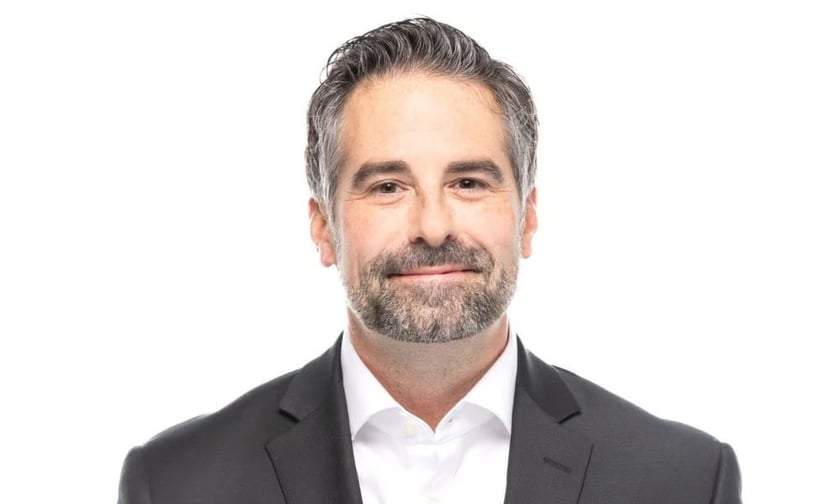
Stéphane Lespérance (pictured), president of Aon Canada, told Insurance Business that catastrophe readiness begins long before renewal discussions. “For those [clients] that are highly specialized, you need to be ahead and come out of the gate with good pre-renewal information,” he said. “That means making sure you have your values well evaluated, your assets well evaluated. You need to have risk management protocols established ahead, and you need to make sure insurance companies are aware of your practices.”
For buyers with past losses, Lespérance stressed that simply disclosing history is not enough. “If you’ve suffered losses in the past, you need to articulate why it shouldn’t be happening again in the future – because you’ve put new risk management protocols and measures forward,” he explained. “Quality of information and preparedness are certainly two major items to watch for.”
Beyond data quality, maintaining relationships with insurers is becoming a differentiator in accessing capacity. Lespérance said insurers are increasingly weighing long-term commitment when deciding where to deploy capital.
“Partner with people who will be there for the long run,” he advised. “If you’re just doing in-and-out deals with certain markets, it’s not going to help you build a sustainable program once the market shifts again to a harder place.”
That warning reflects a broader industry truth: Canadian insurers and reinsurers face mounting pressure as climate losses mount. Last year alone, insured catastrophe damages reached a record-breaking $8.6 billion. In that environment, strong relationships and transparent information-sharing can mean the difference between a smooth renewal and a scramble for capacity.
Lespérance also noted that for large or complex assets, catastrophe modeling is increasingly non-negotiable. “You need proper cat modeling for huge assets you want to insure,” he said, pointing out that carriers demand data-driven projections before committing meaningful capacity.
Looking ahead, Lespérance pointed to four “megatrends” that will most influence the property and casualty landscape: technology, trade, weather, and workforce. “We call them the two Ts and the two Ws,” he said. “They’re all real, they’re happening, and we’re monitoring them closely.”
“These risks are interconnected,” Lespérance emphasized. “Whether you’re talking about human capital or risk capital, they’re all connected. That’s why we’re trying to help clients see the full picture and make better decisions.”
He added that not all risks are treated equally, even in a softening market. “If you’re in a more traditional business, capacity is easier to secure,” he said. “But in specialty sectors, it’s still a tougher placement that requires expertise.”
Artificial intelligence drew particular focus. While industry leaders increasingly see AI as a threat vector – from deepfake phishing scams to potential systemic IT failures – Lespérance cautioned that AI is also becoming essential in how insurers and brokers operate.
He pointed to tools that use AI to triage insurer quotes and streamline renewal comparisons. While such innovations remain internal to firms, they reflect a larger market reality: AI is no longer optional for efficiency or client service.
“Everyone is tapping into AI, and it’s becoming both a threat and an opportunity,” he said. “That duality is something every industry is grappling with.”
For Canadian insurers and brokers, Lespérance’s message was that catastrophe readiness is not just about buying reinsurance or pricing risk higher. It is about disciplined preparation, long-term partnerships, and an integrated view of interconnected threats.
“The best way to mitigate risks in terms of increased premiums or even getting proper capacity is to prepare ahead of renewal,” he said. That means accurate valuations, documented risk management, and showing insurers a credible plan for resilience.