The General Insurance Association of Malaysia (PIAM) has issued a reminder to homeowners across Malaysia to reassess their insurance coverage in light of increased natural disaster risks.
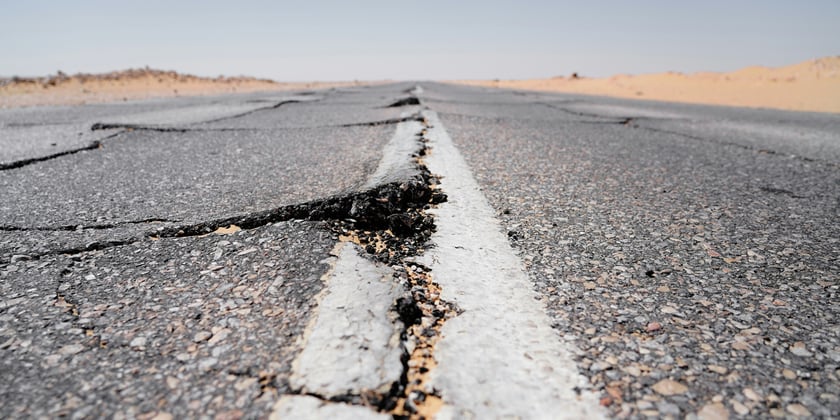
Recent earthquakes in both Sabah and Peninsular Malaysia, combined with recurring floods, have demonstrated that the threat of natural catastrophes is not limited to specific geographic areas.
While Sabah has historically been recognised for its seismic activity, recent tremors in other parts of Malaysia suggest that a broader segment of the population may be exposed to earthquake risk.
Chua Kim Soon, CEO of PIAM, emphasised the importance of insurance amid rising natural disaster risks.
“Houseowner and householder insurance is a comprehensive insurance policy that covers fire and other specified risks such as earthquakes, floods, and windstorms – for both home structures and contents,” he said. “Although earthquakes are less common than other natural disasters like flood in our country, Malaysians still need to be prepared for potential climate risks to strengthen disaster resilience and safeguard their financial wellbeing.”
Insurance professionals are encouraged to help homeowners carefully examine their existing insurance policies, noting that standard fire insurance may not include coverage for events such as earthquakes, floods, or windstorms.
These risks can often be added for an extra premium, or by selecting a more comprehensive houseowner or householder policy that includes these perils as part of its standard offering.
PIAM recommends that policyholders consult with their insurer, agent, or broker to clarify the extent of their coverage and make adjustments as necessary.
Annual reviews of insurance policies are encouraged, particularly after renovations or significant changes to household contents, to ensure that sums insured reflect current rebuilding costs rather than market values.
One persistent issue in the market is underinsurance, which occurs when the sum insured is based on the property’s market value instead of the actual cost to rebuild. This can result in insufficient payouts following a loss event.
PIAM provides an online Building Cost Calculator to help homeowners estimate appropriate coverage, but also emphasises the value of professional advice.
Policyholders are also encouraged to keep digital copies of their insurance documents and receipts, which can expedite claims processing in the event of a disaster.
In the aftermath of a loss, prompt notification to insurers and, where necessary, the police, is essential.
Supporting evidence such as photographs, reports, and detailed inventories of damaged items should be gathered to support claims.
Written approval from insurers should be obtained before any repairs are initiated, as unauthorized work may not be covered.
Recent industry data indicates that global insured losses from natural catastrophes are on the rise.
Verisk’s latest report estimates the average annual insured property loss from natural disasters at US$152 billion, reflecting an increase from previous years.
Over the last five years, the average annual insured loss has reached US$132 billion, compared to US$104 billion in the prior five-year period.
A separate review by Willis projects that 2025 will mark the seventh consecutive year in which global insured losses from natural catastrophes exceed US$100 billion.
Major events contributing to this trend include severe wildfires in the US, Japan, and South Korea, as well as heightened storm activity in Australia and record wind speeds in Ireland.
The upcoming North Atlantic hurricane season is forecast to be above average, further raising the potential for significant insured losses.