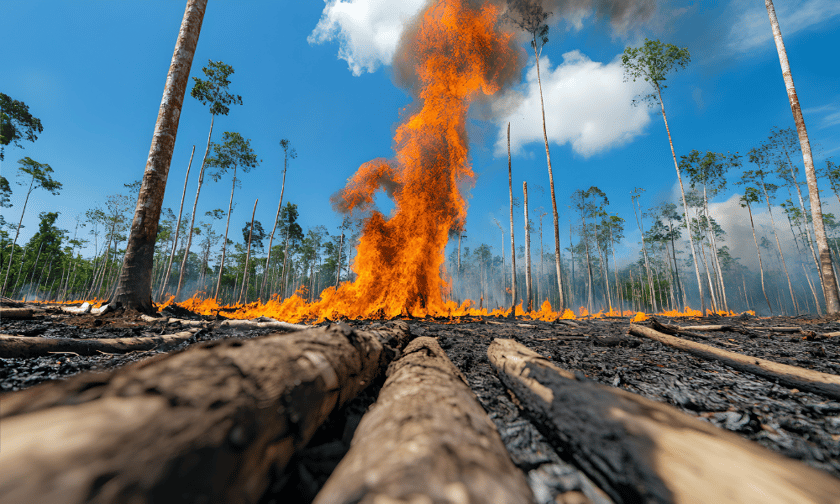
A new report by Willis indicates that insured losses from natural catastrophes in 2025 are once again expected to surpass $100 billion globally, marking the seventh consecutive year at or above that threshold.
The Willis Natural Catastrophe Review points to several severe events already recorded this year, most notably the January wildfires in Los Angeles. The blaze has become the most expensive wildfire event in history for insurers, with estimated insured losses topping $40 billion. That single event accounts for nearly one-third of 2024’s total global catastrophe losses and has already placed significant financial strain on insurers just months into the year.
In addition to the Los Angeles fires, 2025 has seen major wildfires in Japan and South Korea—the worst in a generation—along with a record-breaking tornado season in the United States. Australia experienced its first cyclone landfall near Brisbane in 50 years, while Ireland recorded its highest-ever wind speed.
Cameron Rye, director of natural catastrophe analytics at Willis, said the timing and magnitude of the Los Angeles wildfires forced insurers to reassess their risk models.
“The scale and timing of the event placed immediate pressure on insurers’ catastrophe loss budgets at the beginning of the year and prompted a renewed focus on how wildfire risk is modelled, particularly in high-exposure areas like the urban-wildland interface,” Rye said.
The report notes that an above-average number of storms are forecast for the upcoming North Atlantic hurricane season, raising the likelihood that 2025 could become one of the most expensive years on record for both insurers and reinsurers.
Beyond the financial toll, there is concern about the growing impact of climate extremes. Peter Carter, head of climate practice at Willis, said the continued pattern of high-loss years points to a larger shift.
“2024 continued a 6-year streak of natural catastrophe losses in excess of USD$100 billion… With global efforts likely failing to keep the temperature below 2°C above pre-industrial levels, our focus must now turn to adapting and building resilience in the face of this new reality,” Carter said.