
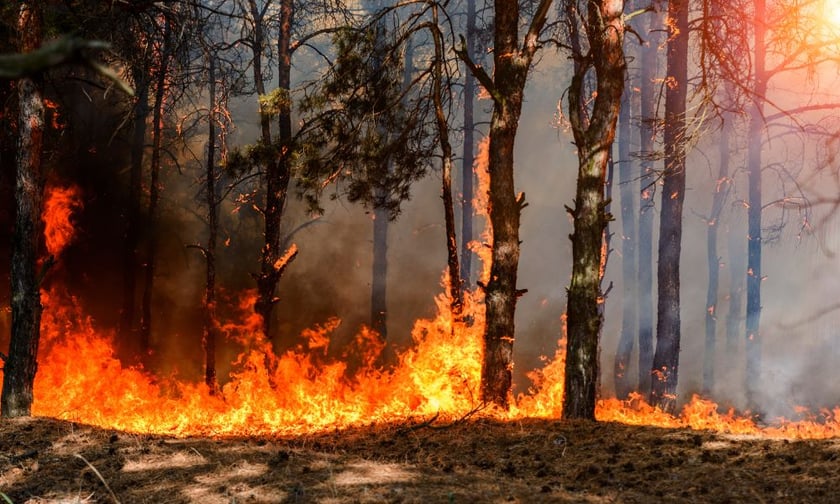
Wildfire risk is increasing in frequency, severity and cost, driven by climate change, land use changes and expanding urban development, according to Allianz Commercial’s Emerging Risk Trend Talk series. The report outlines key risk factors, regional impacts and the implications for insurers, regulators and businesses.
The physical and financial damage from wildfires is significant. According to Swiss Re data, global insured losses from wildfires rose from US$8.7 billion in the 2000s to US$56.3 billion in the 2010s. California’s 2025 fires alone are estimated to have caused between US$28 billion and US$40 billion in insured losses.
In addition to direct property damage, wildfires can lead to business interruption, infrastructure loss, health impacts from smoke, and environmental degradation, including air and water pollution and habitat destruction.
Recent years have seen fires in areas previously considered low risk, including parts of northern Canada, Scandinavia, and Russia. The wildland-urban interface (WUI), where residential development meets wildland vegetation, has seen increased exposure. In the US alone, more than 60,000 communities are believed to be at risk of WUI fires.
Wildfires are influenced by fuel availability, terrain, and weather conditions. Dry periods followed by high heat and strong winds heighten the risk of large-scale fires, and these cycles have become more common with climate change.
Heightened regulation is emerging in several regions. In the US state of California and Victoria, Australia, for example, utility providers are required to develop wildfire management plans and conduct vegetation control near assets.
The Allianz report stressed that effective wildfire risk mitigation requires both technical and organisational strategies. Insurers and businesses are increasingly being called to assess exposure, strengthen risk modelling, and implement proactive measures to manage both short- and long-term wildfire threats.



